Loading image...
-outdoor-elegance-5590-screen.jpg)
-outdoor-elegance-5590-screen.webp)
What makes a freestanding fireplace genuinely sustainable
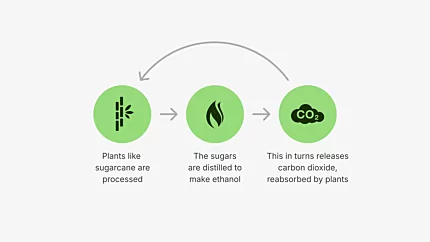
A genuinely sustainable freestanding fireplace combines four things: a clean-burning, renewable fuel; durable, long-life materials; independent safety certification appropriate to the market; and a design built to outlast trend cycles rather than feed them. Miss any one of those and the sustainability claim starts to wobble. A bioethanol fire in a disposable carcass is no better than a wood-burner in a heritage stone surround. The materials and the fuel are equal partners.
The four criteria, in the order this article works through them:
Fuel:renewable, clean-burning, flueless.
Materials:long lifespan, honest construction, recyclable at end of life.
Certification:third-party verified safety against UL, EN, and ACCC benchmarks.
Design longevity:archetypal form that earns its place across decades, not seasons.
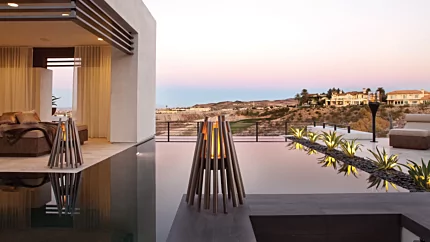
The freestanding form factor itself does sustainability work that built-in alternatives can't. A piece you can move with you carries no chimney to demolish, no flue to rebuild, no structural cavity to fill if the room is reconfigured. We come back to that in the design section. For a wider comparison of how different fireplace fuel types stack up environmentally, our companion article on the environmental impact of freestanding fireplace types goes deeper. This piece stays inside the bioethanol freestanding fireplaces collection and treats it as the category of choice for a sustainability-led buyer.