Loading image...

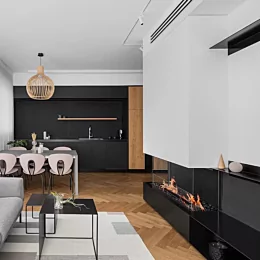
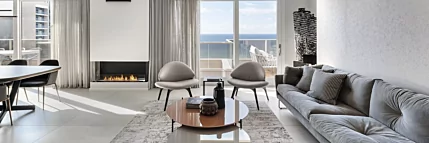 © Herbert / Architecture: @halel.arc / Photo: @odedsmadar
 Fireplace Inserts
Zero-clearance fireplaces
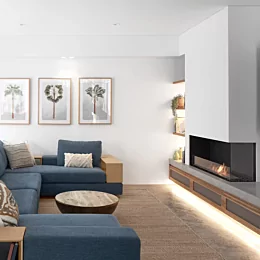
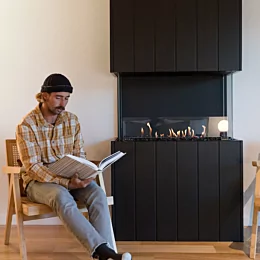
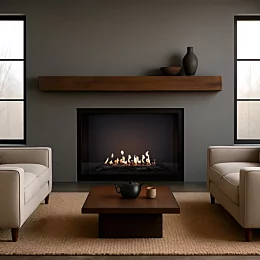
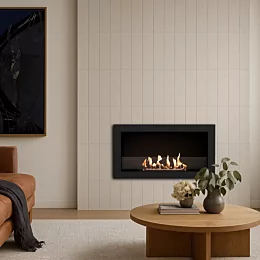
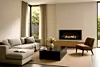
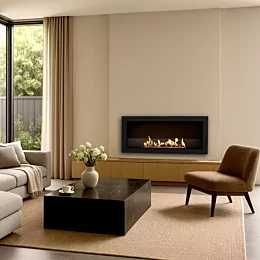
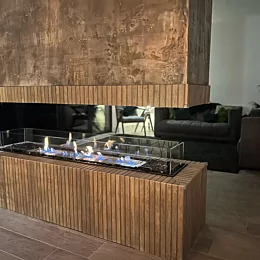
Create a social gathering point with an ethanol fireplace insert! A cosy and warm fireplace will perfectly complement your contemporary indoor or outdoor space. Available in different shapes, sizes and finishes, you're guaranteed to make memories around our ethanol fires.
Fireplace Insert Ranges
Models
Showing 16 items of 16
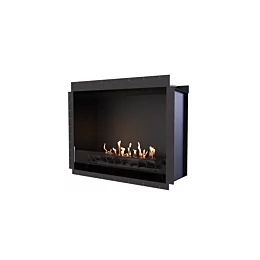
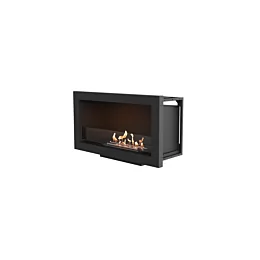
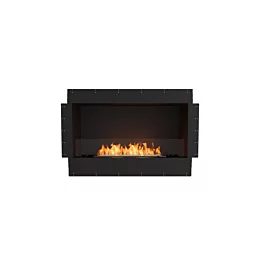
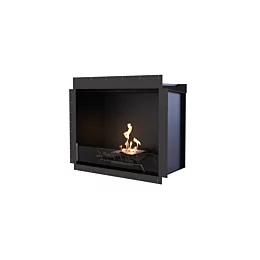
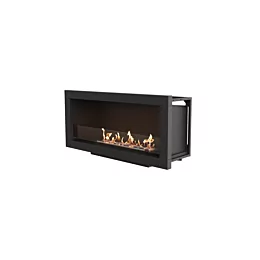
Single Sided Fireplace Inserts · EcoSmart Fire
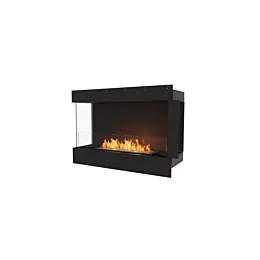
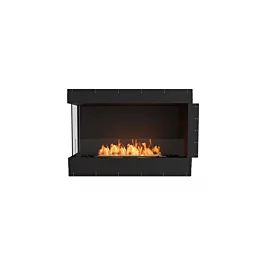
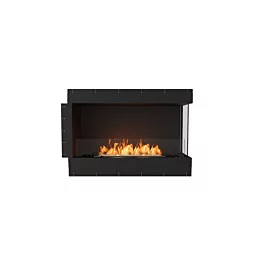
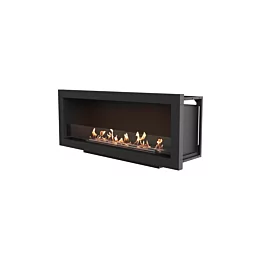
Left Corner Fireplace Inserts · EcoSmart Fire
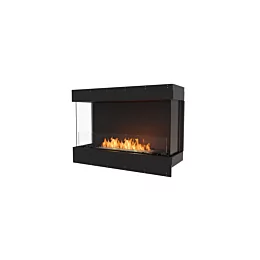
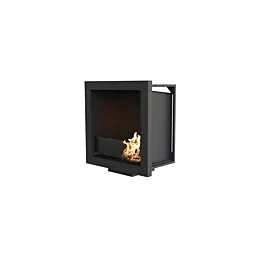
Right Corner Fireplace Inserts · EcoSmart Fire
Bay Fireplace Inserts · EcoSmart Fire
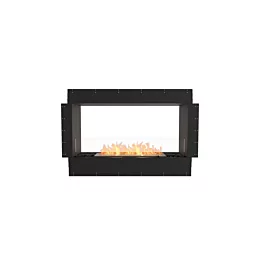
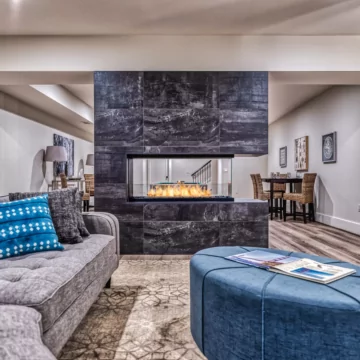
Double Sided Fireplace Inserts · EcoSmart Fire
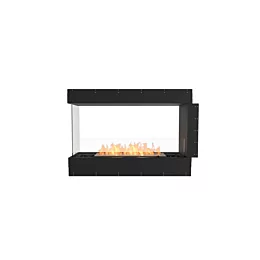
Peninsula Fireplace Inserts · EcoSmart Fire
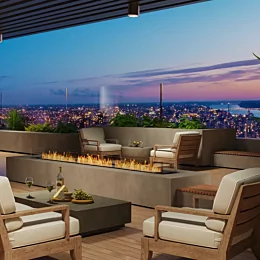
Island Fireplace Inserts · EcoSmart Fire
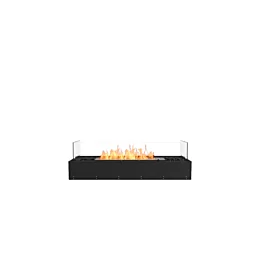
Bench Fireplace Inserts · EcoSmart Fire
Heritage 26SS Fireplace insert · EcoSmart Fire
Heritage 42SS Fireplace insert · EcoSmart Fire
Heritage 56SS Fireplace insert · EcoSmart Fire
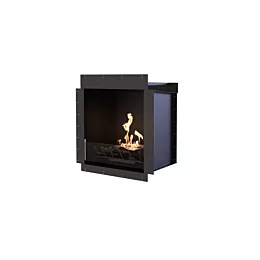
Frame 600SS Fireplace insert · EcoSmart Fire
Frame 800SS Fireplace insert · EcoSmart Fire
Frame 1000SS Fireplace insert · EcoSmart Fire
Frame 1200SS Fireplace insert · EcoSmart Fire
Frame 1500SS Fireplace insert · EcoSmart Fire




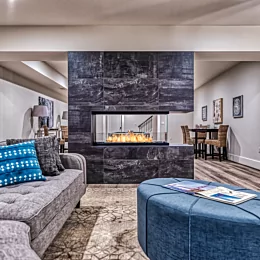
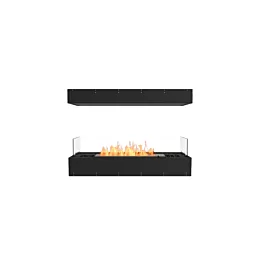
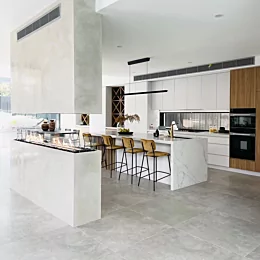


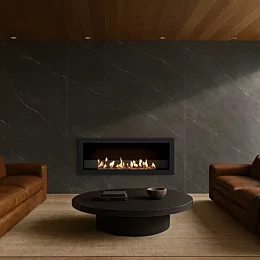


Loading image...
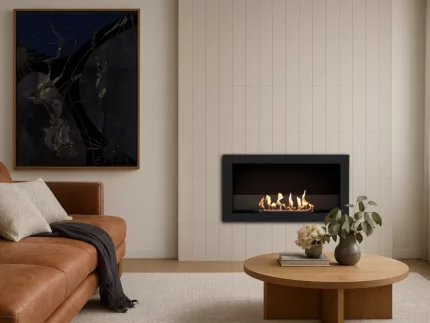
Premium materials
Constructed from mild steel with zinc-sealed, high-temperature powder-coat, toughened low-iron glass, and Grade 304 stainless steel burners, our Fireplace inserts are engineered for lasting performance and sophisticated style.
Zero clearance
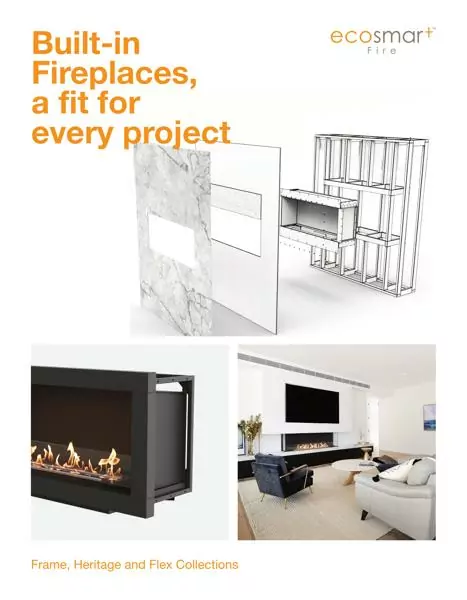
Self-contained, zero clearance construction allows your Frame fireplace to be installed into wood or metal studs, providing installation freedom and flexibility for builders, architects, interior designers, landscapers and homeowners.
Loading image...
 © Design & Build: EcoLiv / Photo:
@kimkeltiephotography
© Design & Build: EcoLiv / Photo:
@kimkeltiephotography Complete design freedom
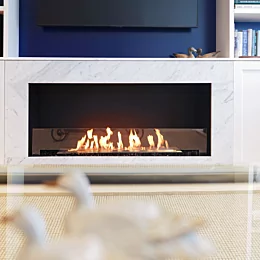
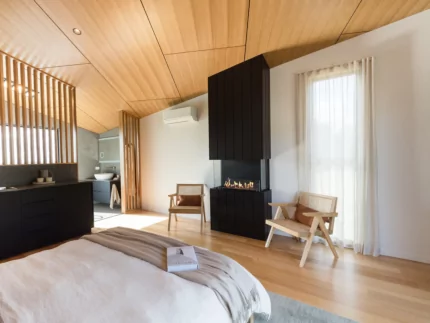
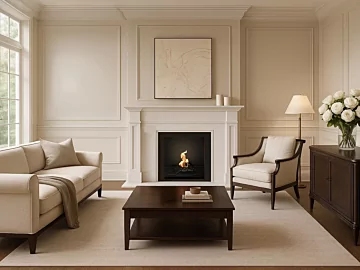
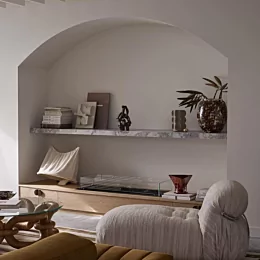
Place in virtually any room with complete customisation of finishing material. Whether integrating into marble, timber, concrete, or custom millwork, our Fireplace Inserts adapt beautifully to your aesthetic vision and architectural requirements.
Significant savings
With no flue requirement for gas lines, electricity, or venting, installation costs are dramatically reduced. Enjoy a streamlined process that eliminates multiple trades and complex approvals while maintaining premium quality and performance.
Loading image...
Loading image...
Loading image...

Our flame, your vision
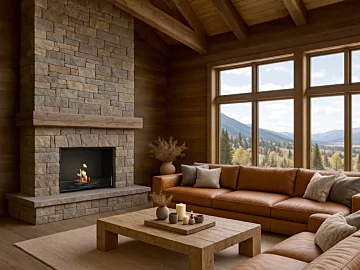
Embrace your creative freedom. Fireplace Inserts enable you to use any wall material, combustible or not, ensuring your vision comes to life without limitations.
Loading image...
No flue, no chimney, no vent
Fuelled by clean-burning e-NRG bioethanol, our burners produce a beautiful orange flame without any smoke, soot or ash.
Loading image...

Global compliance
These models comply with existing standards in the USA, Europe, UK and Australia. O-TL listed to UL1370, EN 16647 BSI Certified and ACCC Safety Mandate compliant.

Styled by Our Clients
Loading image...
Loading image...
Loading image...
Loading image...
Loading image...
Loading image...

Related Collections
Learn More
FAQ's
Can I install a fireplace insert into my existing fireplace?
EcoSmart’s fireplace inserts are mostly used for new construction when an entirely new fireplace is desired for a given space. They are not designed for the conversion or remodelling of an existing masonry or gas fireplace but could be used if the dimensions align.
To convert an existing fireplace we recommend using our fireplace grates or ethanol burners as noted above.
Ensure that the flue has been closed off and the relevant suppliers have officially detached all connections to utilities.
What are the differences between the Flex, Heritage, and Frame fireplace insert series?
Three zero-clearance bioethanol series, three distinct design intents. Flex is the format-flexible range for bespoke and commercial builds, Heritage reimagines the traditional hearth for compact and high-rise settings, and Frame delivers low-profile linear flame for contemporary and retrofit interiors.
Where they diverge:
- Flex offers the widest format choice: 12 single-sided sizes from 378 to 4,030 mm [14.9 to 158.7 in] viewing width, available across eight configurations (single-sided, left corner, right corner, bay, double-sided, peninsula, island, and bench). The viewing area is all live flame. Select models include an optional decorative box and copper log set. Single-sided models share a 365 mm [14.4 in] depth.
- Heritage is the single-sided traditionalist. Three sizes, 860 to 1,624 mm [33.9 to 63.9 in] wide, with the tallest proportions and deepest 539 mm [21.2 in] profile of the three. A SECC steel grate and toughened glass fire screen come standard, creating the classic log-fire read inside a modern firebox. Zero-clearance, ventless installation makes it suited to compact living spaces and high-rise buildings.
- Frame is the shallowest and lowest-slung, at 363 to 403 mm [14.3 to 15.9 in] deep and 598 mm [23.5 in] high. Five single-sided sizes, toughened low-iron glass for clearer flame, and a design that lets wall finishes be updated without disturbing the insert.
Flex for design freedom. Heritage for traditional proportions without the infrastructure. Frame for linear, low-profile statements and renovations.
Are there specific clearance requirements?
EcoSmart Fire bioethanol fireplaces feature true zero-clearance design. At the back and sides, the appliance frame installs directly into wood or metal stud walls with no spacing required between the unit and surrounding combustible materials.
For mantels and surrounds fitted above or beside the unit, specific vertical clearance distances apply. These differ depending on whether the material is combustible or non-combustible; your model's support page provides the exact dimensions and diagrams for your configuration.
Each model specifies a minimum room volume for adequate ventilation. This is an air quality requirement rather than a physical clearance distance. Your product specifications or installer will confirm the threshold for your room.
Before installation, verify your wall cavity dimensions against the product's cut-out specifications to ensure tolerances align.
Can a wall-mounted bioethanol fireplace be installed in a rental property?
Yes, a wall-mounted bioethanol fireplace can be installed in a rental property, provided you have written consent from your landlord or property manager.
Bioethanol models have a clear advantage in the rental context: no gas line, no flue, and no electrical connection are required. The fireplace runs entirely from bottled fuel, so there is no permanent utility infrastructure to negotiate. This removes the primary obstacles that would make a gas or wood-burning installation impractical or impossible in most rental agreements.
Installation does involve physical wall work. A recessed model requires a framed wall cavity; a surface-mounted model requires anchor fixings. Both create modifications that most tenancy agreements require prior landlord approval for. Obtain that consent in writing before any work begins.
Can fireplace inserts heat an entire home?
Bioethanol fireplace inserts are designed as supplemental heat sources rather than primary heating systems for whole homes. EcoSmart Fire's zero-clearance inserts effectively heat individual rooms ranging from 35 to 65 square metres [377 to 700 square feet], depending on burner configuration and room volume. This focused heating strategy is intentional: inserts deliver 90 per cent efficiency because ventless design retains all heat within the room, rather than losing it up a chimney.
For whole-home heating, consider two approaches: combine multiple inserts in key gathering spaces (living areas, gathering spaces), or use your existing central heating system with inserts adding warmth and ambience to high-use zones. A single insert won't replace your primary heat source, but it reduces energy demand in the room it occupies whilst delivering the aesthetic benefits of real flame. This targeted approach suits luxury residential design where thoughtful zone heating aligns with sustainable living principles.
Can you install a TV above a wall-mounted ethanol fireplace?
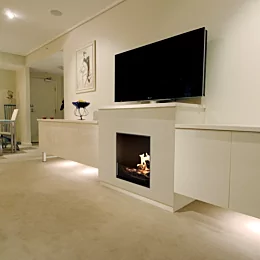
Yes, you can install a TV above a wall-mounted ethanol fireplace using one of three engineered design solutions. EcoSmart Fire bioethanol fireplaces emit minimal radiant heat and require no venting, making TV placement above the opening viable when proper spacing or shielding is applied.
The three approved approaches are: (1) a non-combustible mantel or ledge installed between the fireplace and TV to deflect radiant heat; (2) a recessed niche that sets the TV into the wall above the fireplace, creating physical depth separation from the flame; (3) sufficient setback clearance, positioning the TV well above the opening to allow heat to dissipate naturally.
Overhead clearance from the flame to any overhead surface must be 1,500–2,000 mm [59–78 in], depending on your burner model. Check your installation manual for the exact specification. The fireplace itself has zero clearance at the back and sides, but materials positioned above it, including your TV bracket, are not supported by the fireplace frame. Your TV bracket must be independently anchored to the wall structure or a structural element, not the fireplace surround. This independent anchoring ensures safe mounting and code compliance for load-bearing fixtures.
What is an ethanol fireplace insert?
A zero-clearance ethanol fireplace insert is a self-contained bioethanol fire unit designed to drop into a wall cavity or an existing hearth, delivering a real flame without a chimney, flue, gas line or electrical connection. It burns liquid bioethanol fuel cleanly, producing only heat, water vapour and a small amount of CO2, with no smoke, soot, sparks or ash. That clean combustion is what sets it apart from a wood or gas insert, and what allows the unit to sit directly against timber or metal studs.
EcoSmart Fire builds ethanol inserts across three ranges, each suited to a different architectural setting:
- Frame: recessed wall inserts for indoor or outdoor single-sided viewing, built around a Grade 304 stainless steel burner and toughened glass screen.
- Heritage: a contemporary take on the traditional hearth and firebox, designed for classic fireplace openings.
- Grate: drop-in bioethanol grates that convert an existing wood-burning fireplace into a clean-burning fire, suitable for retrofit projects.
All ranges are safety-certified and designed for use in adequately ventilated indoor and outdoor spaces.
Do I need a chimney for an ethanol fireplace insert?
No, ethanol fireplace inserts don't require a chimney. The clean-burning chemistry of bioethanol combustion produces only heat, water vapour, and minimal CO2, with no smoke, soot, or harmful gases that would need venting through a flue. This zero-clearance capability means the insert can sit inside your existing fireplace opening with heat retained in the room.
When retrofitting an existing fireplace with an active chimney, simply seal the damper or install a metal plate to block the opening. This prevents warm air escaping up the unused flue and maximises the fireplace's heating efficiency. All EcoSmart Fire bioethanol inserts are UL-listed and EN 16647 certified, meeting international safety standards for clean-burning, unvented operation.
Are ethanol fireplace inserts easy to install?
Yes, ethanol fireplace inserts are straightforward to install compared to traditional fireplaces. Unlike wood-burning or gas fireplaces, there's no flue, gas line, or electricity connection required, which eliminates most of the structural and trade complexity. The zero-clearance technology means the appliance mounts directly against standard timber framing without additional wall spacing, giving you genuine flexibility in placement.
The installation typically follows three phases: build the framework to the specified opening dimensions, slide the appliance into the cavity and secure with standard screws, then complete your wall panelling and finishes. Single-sided inserts follow a 10-step sequence, from framework construction through media positioning, while fire pit kits simplify to 6 steps. Basic tools suffice: a power drill, screwdriver, and level. Models range from 25.7 kg [56.5 lbs] to 222.1 kg [488.6 lbs], and heavier units benefit from a second pair of hands, though no specialist trades or custom engineering is needed.
Flexibility is where ethanol fireplace inserts stand apart. Zero-clearance installation removes traditional constraints, so you can incorporate the fireplace at any renovation stage: before wall lining, mid-construction, or even as a retrofit into existing openings. Your finishing materials (marble, timber, concrete, or custom millwork) can be chosen independently, and the appliance fits into interior walls, under cabinetry, or recessed niches. After installation, fill with e-NRG bioethanol, ensure adequate room ventilation, and test the ignition.
Are fireplace inserts safe to use?
Yes, EcoSmart Fire fireplace inserts are safe to use when installed correctly and operated according to manufacturer guidelines. Inserts are engineered with zero-clearance construction, with combustion containment built directly into the frame, and carry certifications across major markets: UL-listed to UL 1370 (USA), EN 16647 certified (Europe/UK), and compliant with Australian safety mandates.
Every component is engineered for safety. Burners are Grade 304 stainless steel. Glass is toughened, low-iron, and withstands heat exposure. A dedicated filling point, safe shut-off mechanism, and safety markings eliminate handling risk. The combustion system burns cleanly, producing heat, water vapour, and carbon dioxide; each output is managed safely within the minimum room volume requirements for each configuration.
Proper operation requires attention to ventilation. Each model has a minimum room volume requirement (ranging from 40 to 345 m³ depending on configuration) to ensure adequate oxygen and prevent indoor air quality concerns. Installation should follow the trade guidance provided, and the burner tray is mandatory for indoor use. The design reflects 20+ years of research and third-party safety validation. Professional installation is recommended to confirm correct placement and ventilation setup, ensuring reliable performance.